
The complete guide
How to choose the right chicken fencing material
Every chicken fence has to do two jobs at once: keep your birds in, and keep predators out. No single material does both perfectly at every price point, so the right choice depends on your budget, your garden and how determined the local foxes are. Here's how to weigh the five materials we stock against each other.
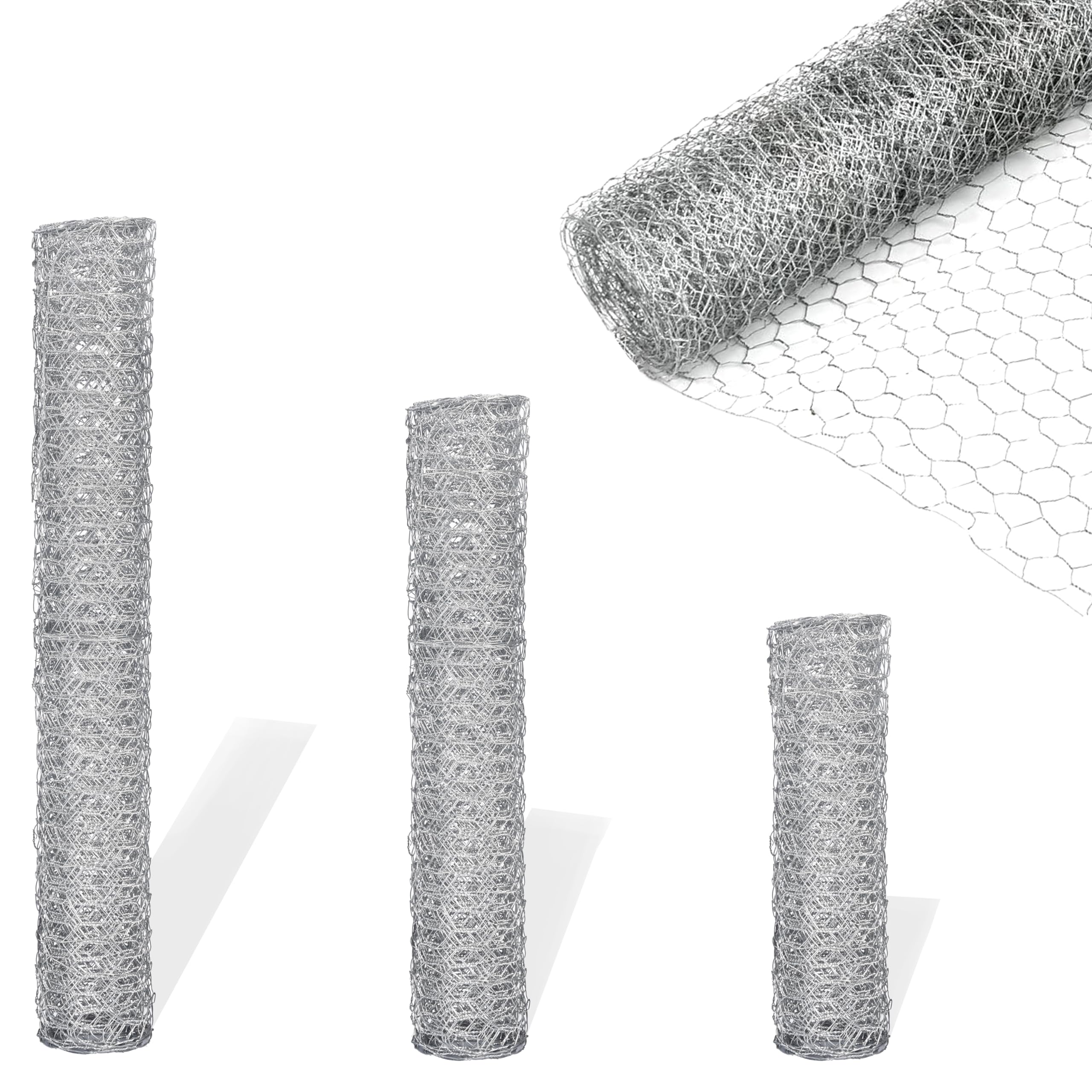
Galvanised chicken wire — the budget starting point
Chicken wire is the cheapest way to contain birds, and it bends easily around irregular garden shapes and corners. Its weakness is rigidity: a determined animal pushing against woven wire can distort it over time, and it offers no deterrent on its own against digging or climbing predators. It's a strong choice for a first coop, low-risk gardens, or as an inner liner behind a sturdier outer fence.
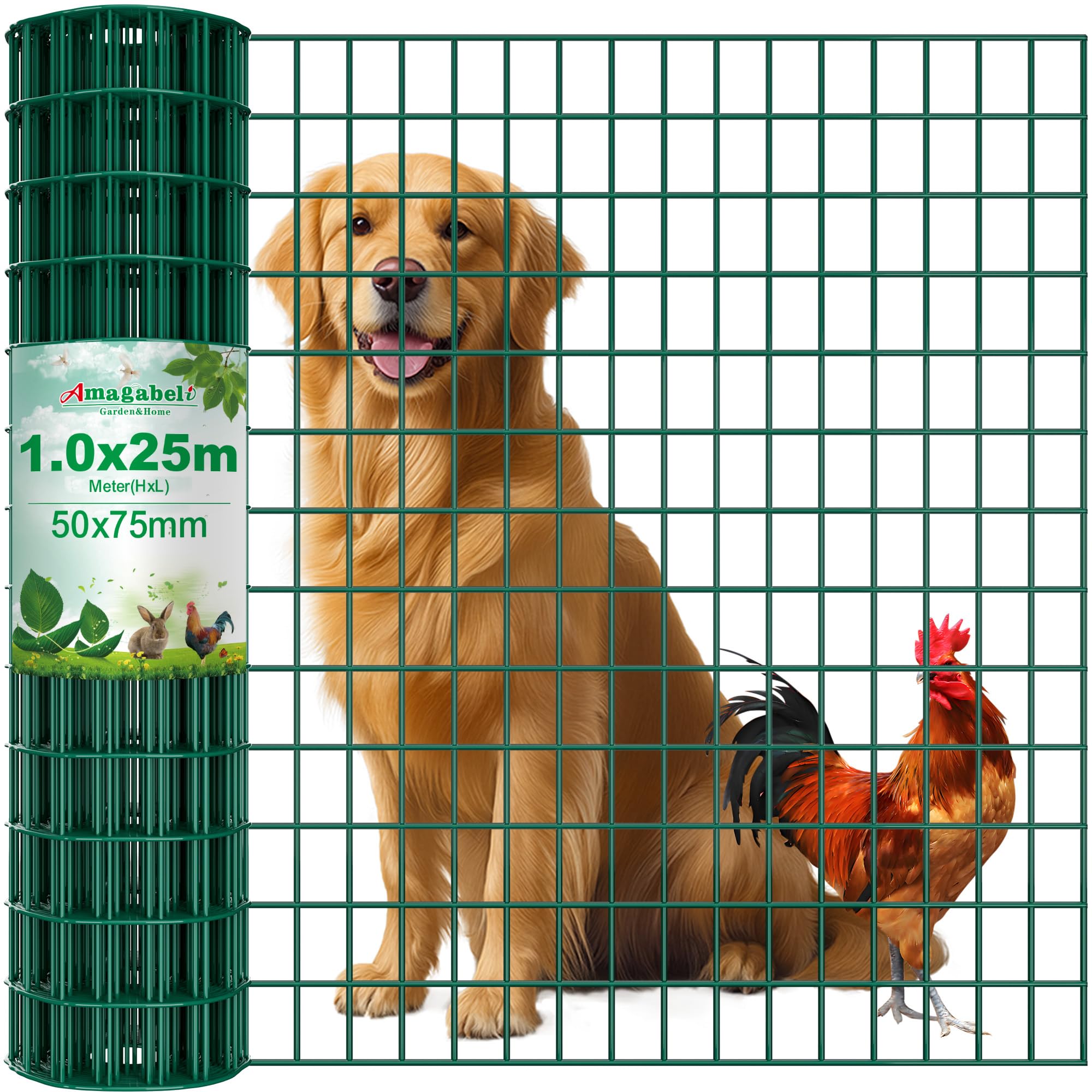
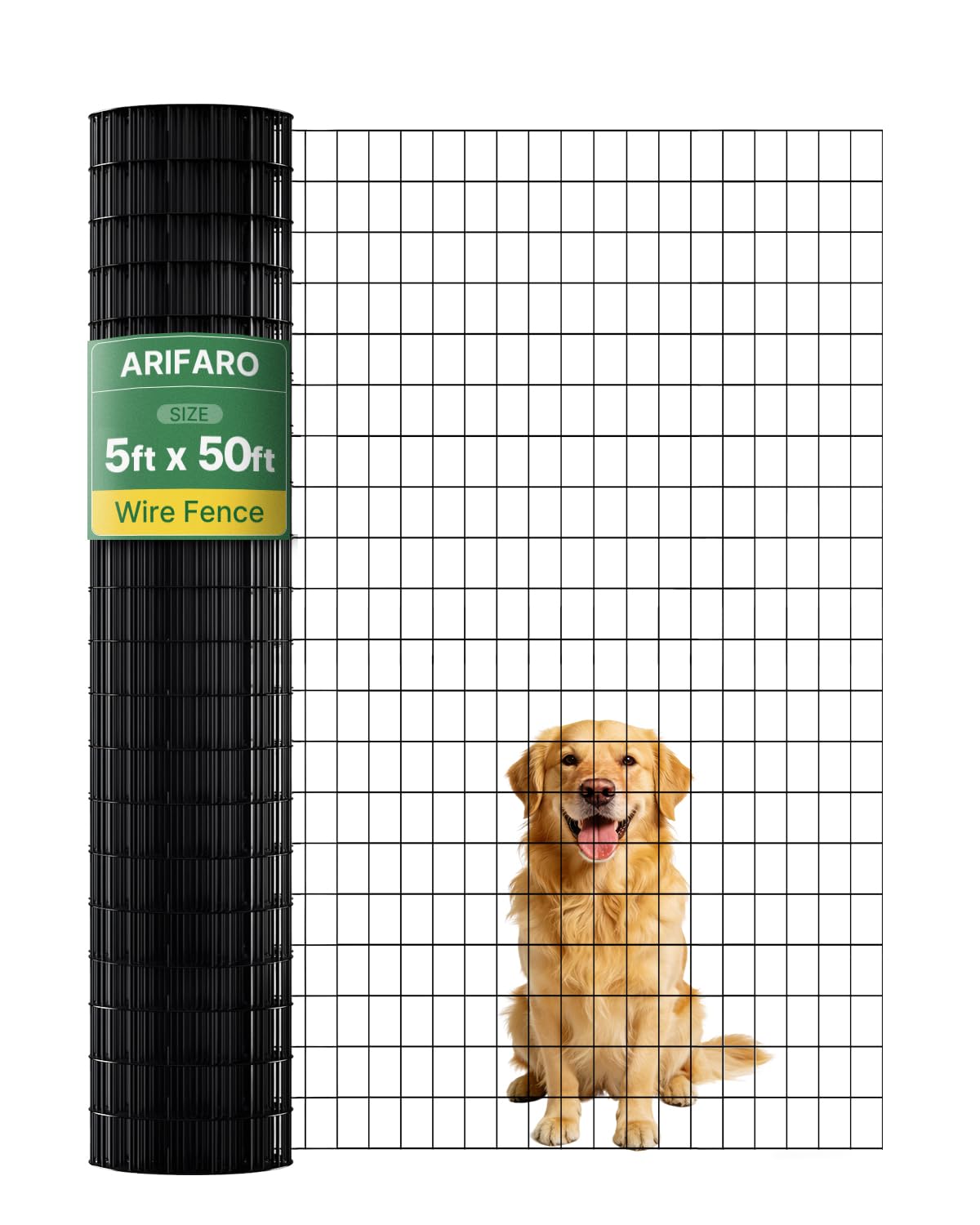
Welded wire mesh — more rigid, more expensive
Where chicken wire is woven, welded mesh is fixed at every join, so it holds its shape under pressure instead of flexing. If you've already had a woven fence pushed out of shape by a dog or a persistent flock, welded mesh on proper posts is the upgrade. It costs more per metre but needs replacing far less often.
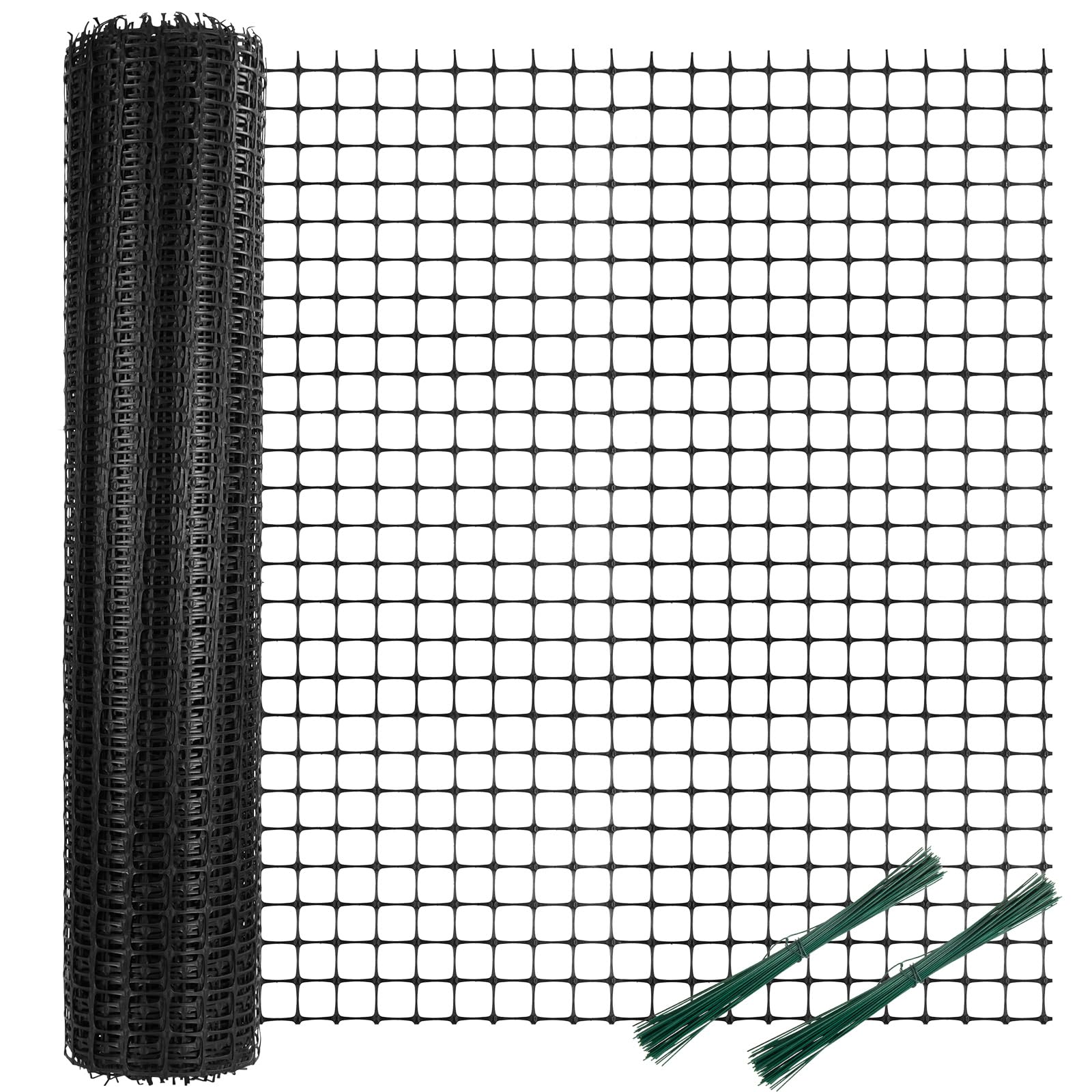
Plastic barrier netting — fast, flexible, temporary
Lightweight plastic mesh goes up and comes down with no tools, using pins pushed into the ground. It's the right choice when you're fencing off a vegetable bed until seedlings toughen up, rotating a run around fresh grass, or want to try a layout before committing to something permanent. It won't stop a determined predator, so treat it as a boundary marker and mild deterrent rather than security.
Electric poultry netting — the only real predator deterrent
Foxes are the single biggest cause of losses in back-garden flocks, and a physical barrier alone won't stop one that's decided to get in. Electric poultry netting combines a mesh barrier with a genuine shock deterrent, provided it's earthed and tensioned correctly and the lower wires are kept clear of grass (which earths the fence and weakens the shock). It costs more than passive mesh, but it's the material to reach for if you've had losses or know foxes are active nearby.
No-dig metal panels — for borders, not runs
Push-in metal panels need no digging, post-holes or concrete, and come back up just as easily — ideal for keeping birds off a flower bed or defining a patio edge. They're not built for a full working run: the panels are shorter and lighter than dedicated fencing, so treat them as a tidy border rather than predator-proof security.
Don't forget the posts, pins and tools
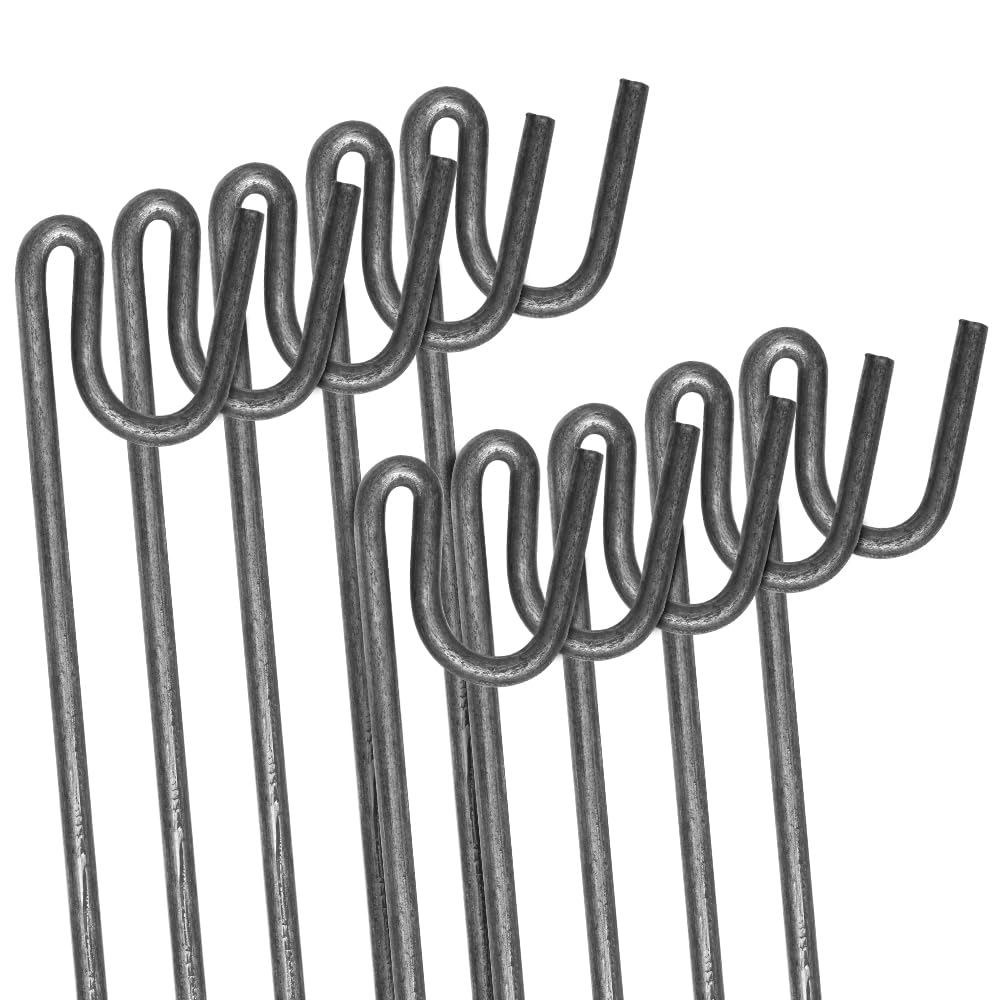
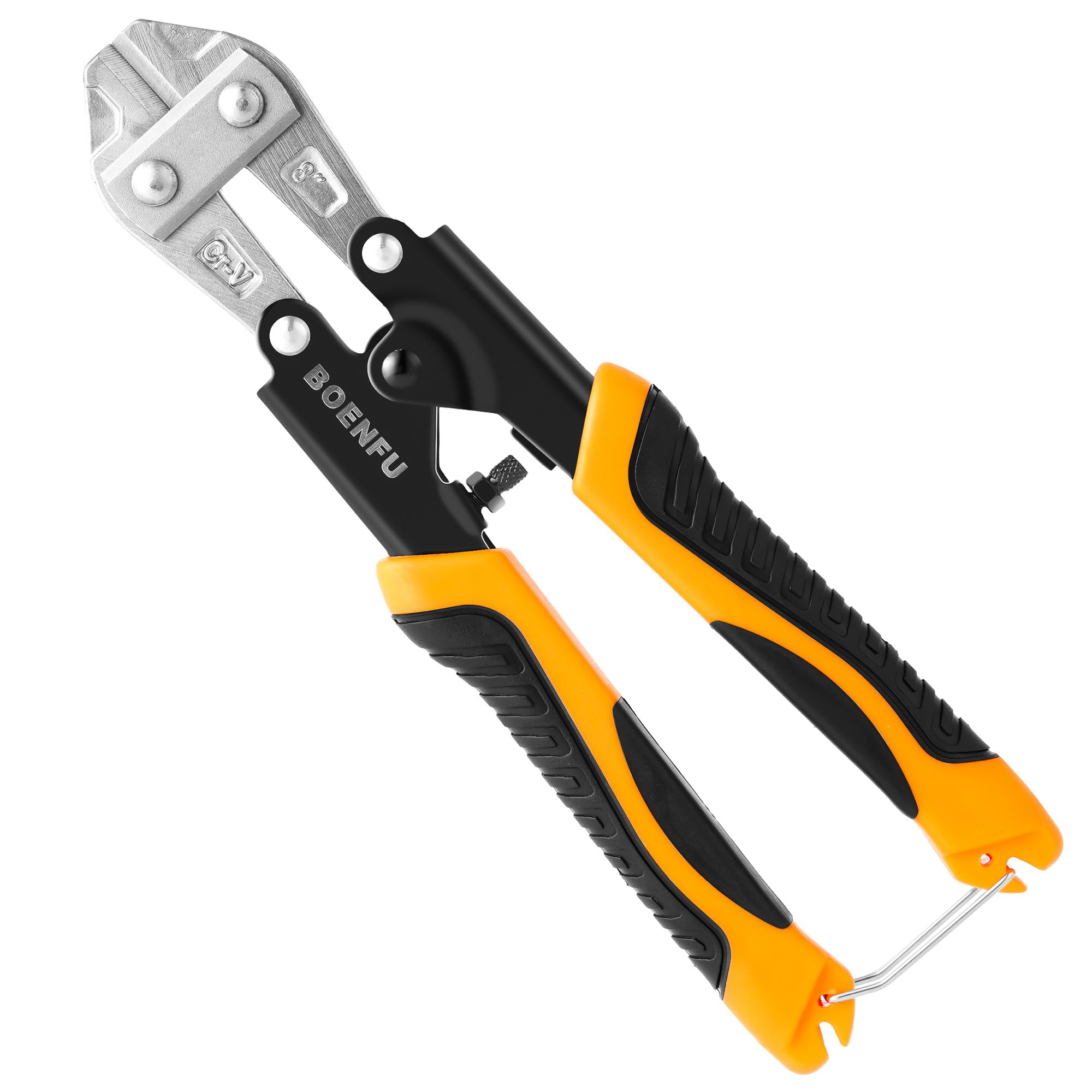
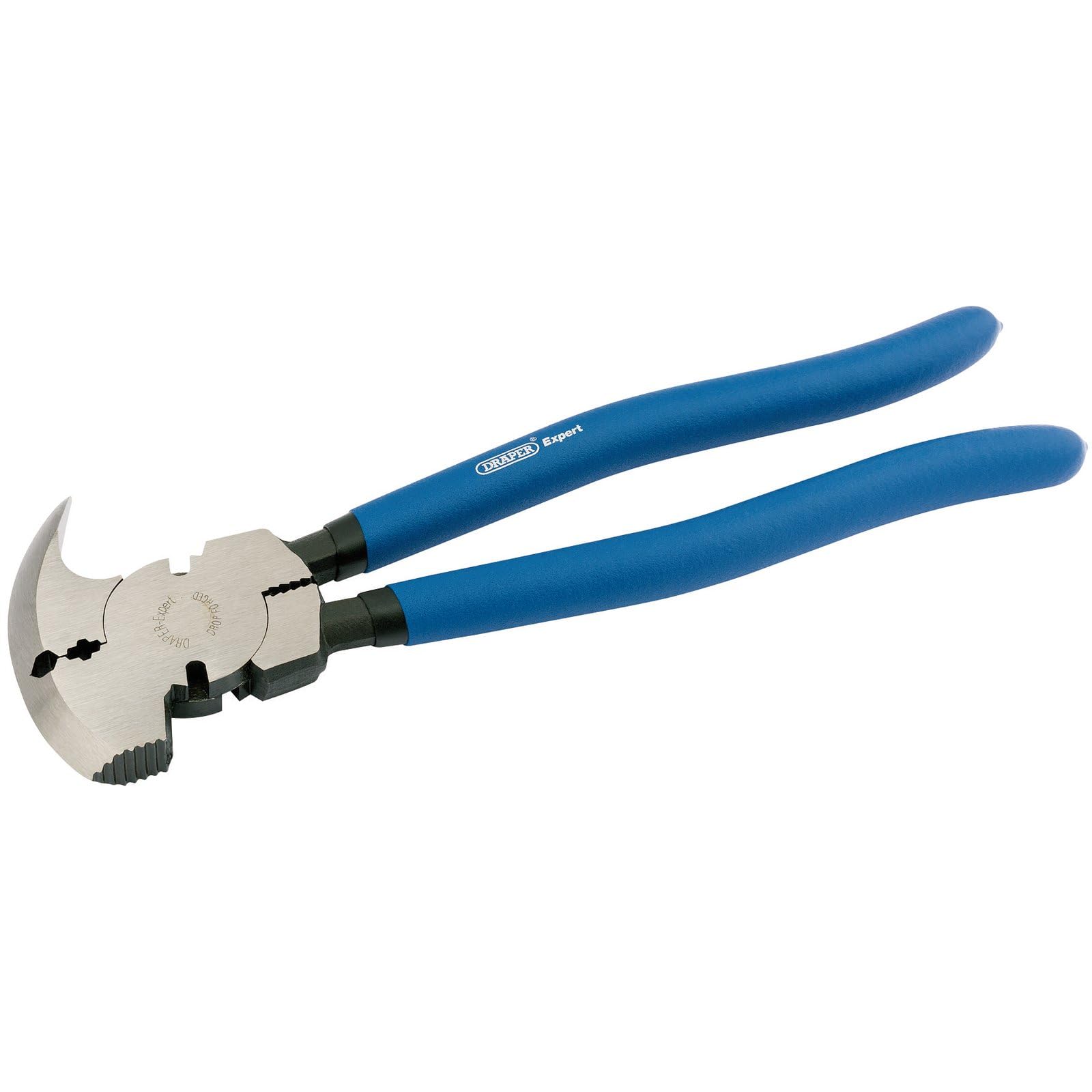
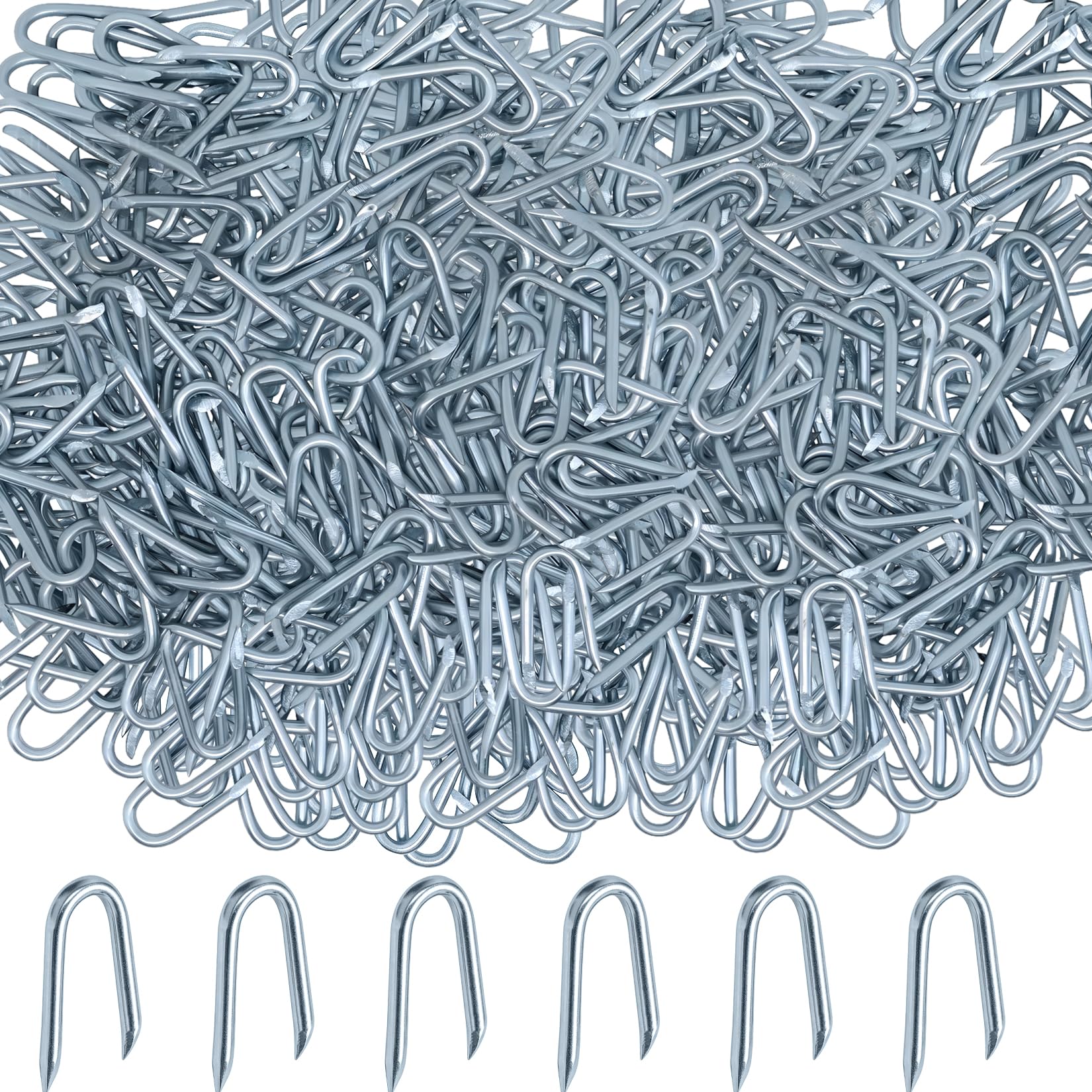
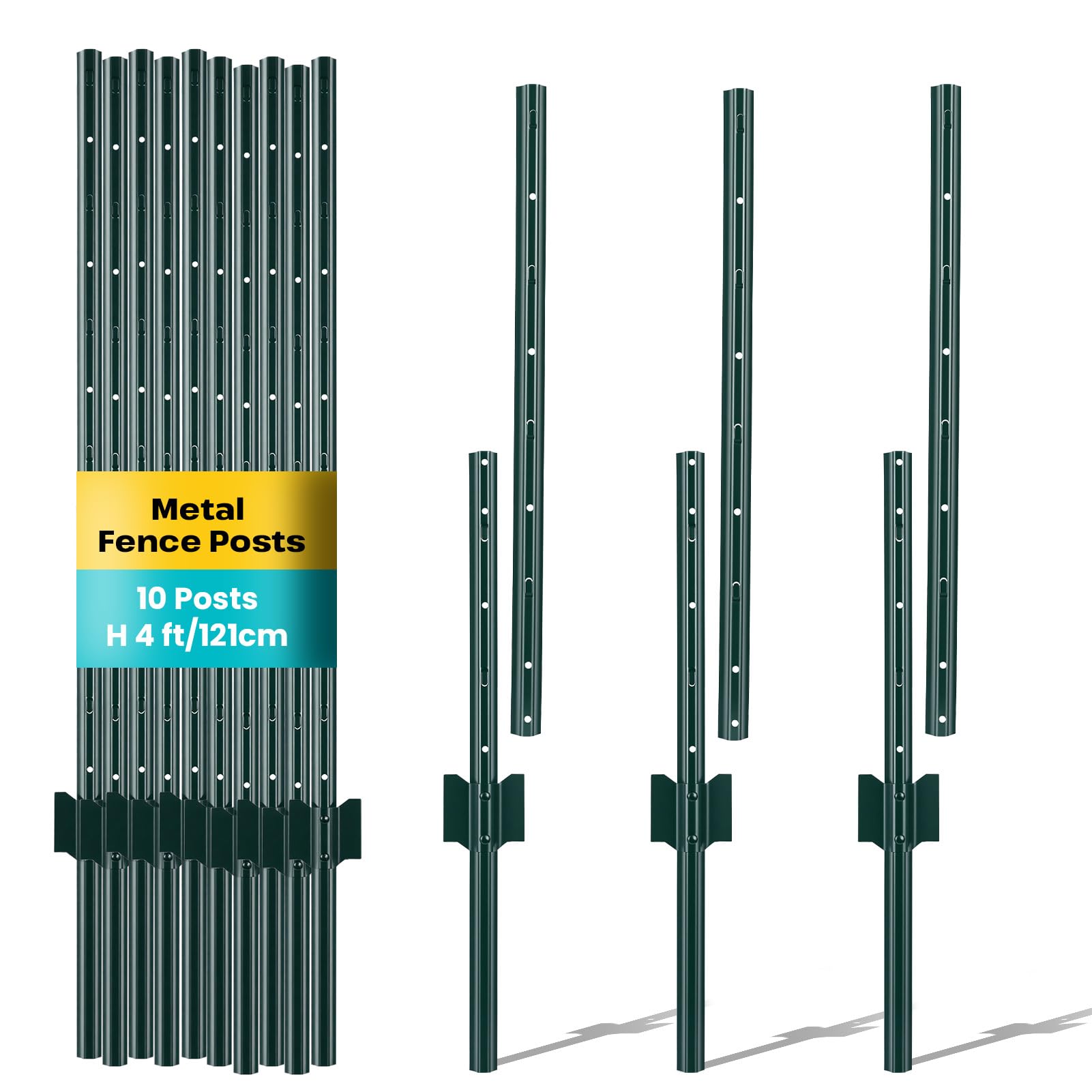
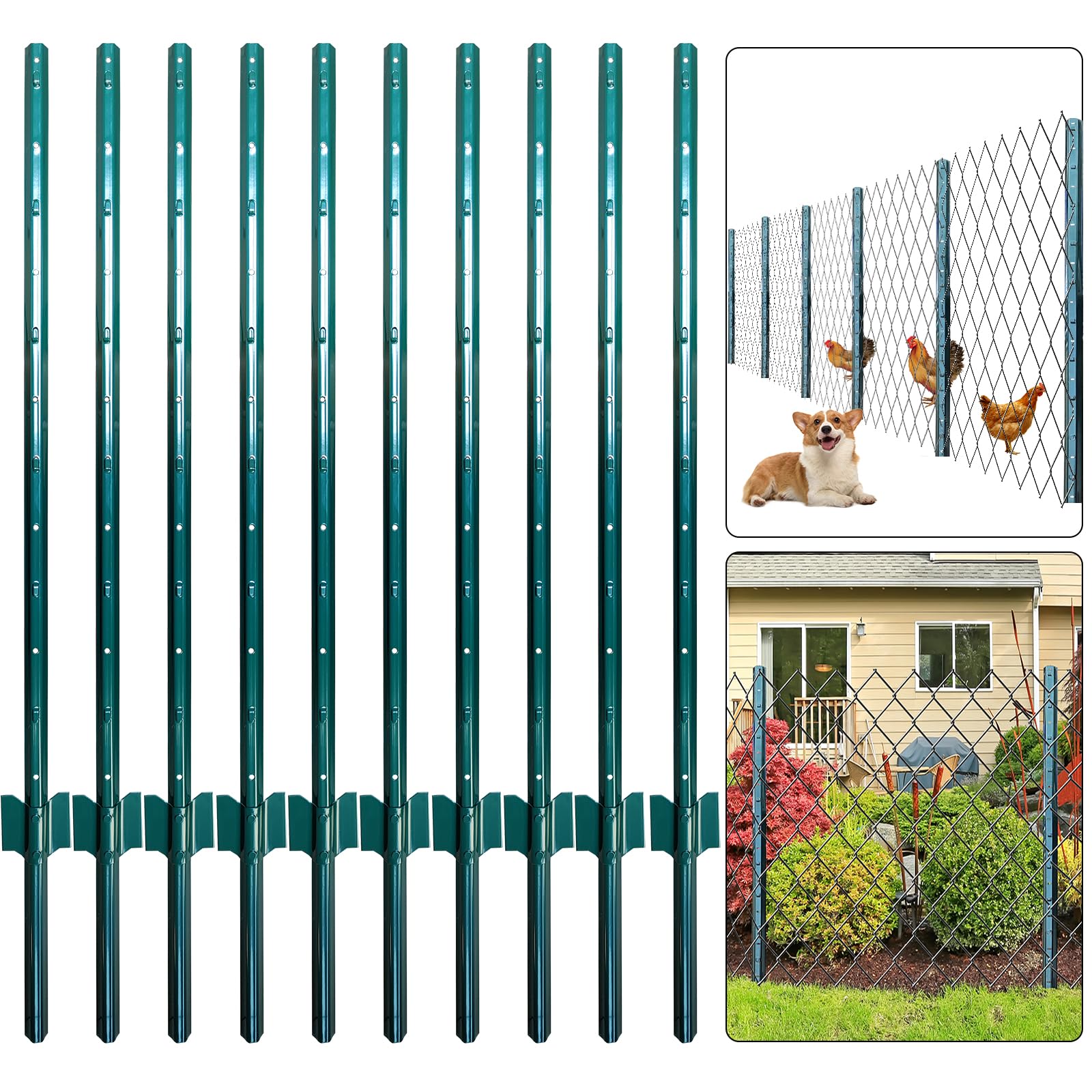
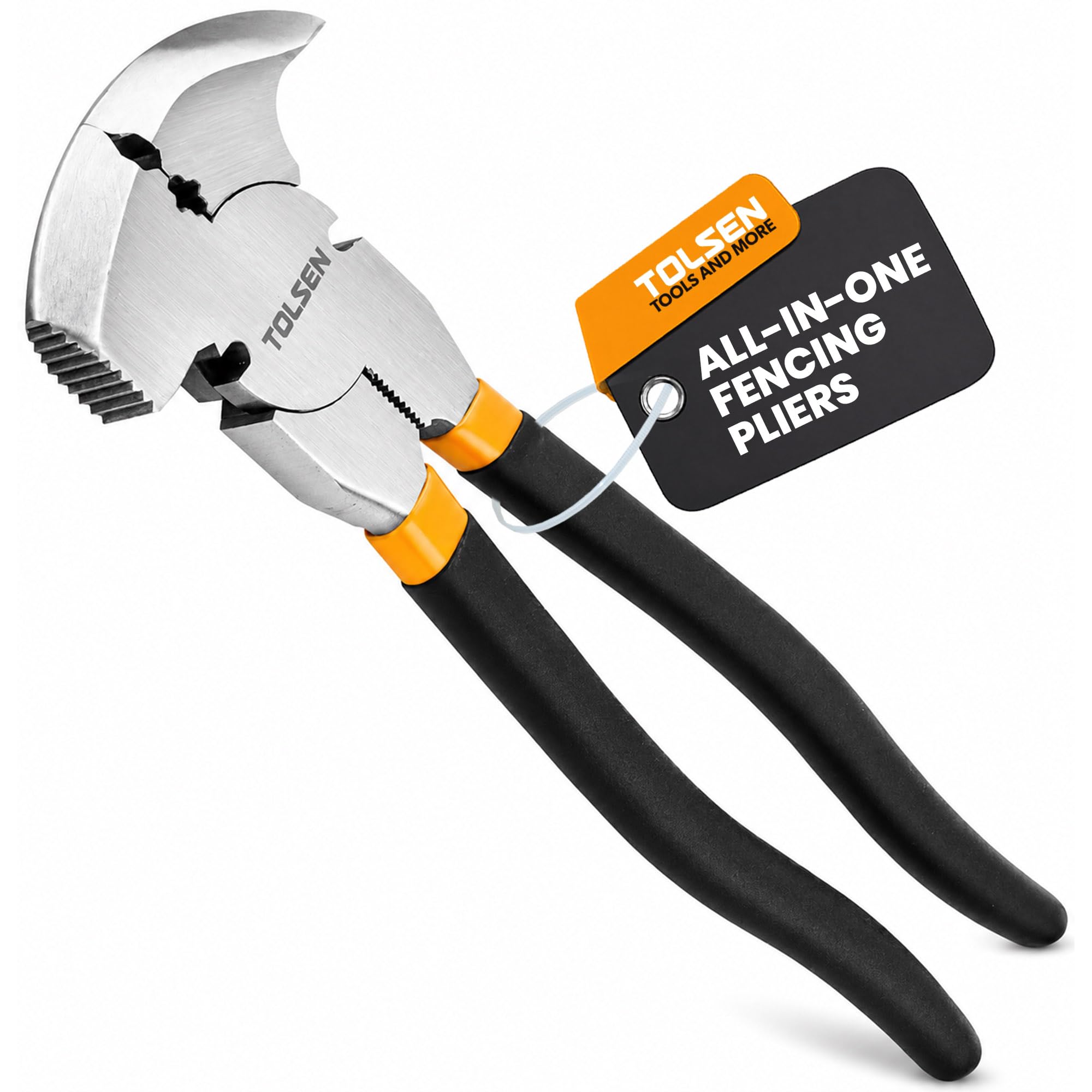
Chicken wire, welded mesh and plastic netting are sold as rolls and need posts or ground pins bought separately — buy enough for a post every 2 to 3 metres along straight runs, with extras at corners and gates. A pair of fencing pliers makes cutting and stapling far easier than generic tools, and galvanised U-nail staples fix mesh to wooden posts (metal U-posts and T-posts need no staples at all).